JAMB, WAEC, and admissions guides for Nigerian students
JAMB Cut-Off Marks for All State Universities 2026
State universities often set more accessible cut-off marks than the big federal schools, and many offer a tuition advantage to indigenes. That makes them a smart option many candidates overlook.
This guide breaks down the JAMB cut-off marks for state universities in 2026 by region, explains the indigene tuition advantage, and shows how state cut-offs compare with federal universities.
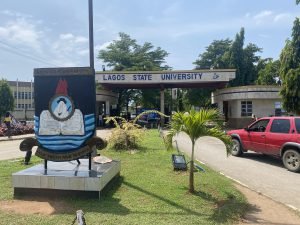
State universities in Nigeria admit via JAMB UTME plus their own Post-UTME or screening, with institutional cut-offs that typically sit between 160 and 200. Lagos State University (LASU) sits at 200 institutional; LAUTECH at 200; Ekiti State University at 180; Olabisi Onabanjo University (OOU) at 180-200; Imo State University at 180; and so on. Working cut-offs for the headline programmes (Medicine, Law, Pharmacy) sit between 240 and 270 at the top state schools.
State universities are owned by state governments and admit at lower competitive intensity than the first-generation federal universities, with the meaningful exception of LASU (which often matches federal-tier cut-offs because of the Lagos applicant pool). Most state universities subsidise tuition for indigenes of the owning state and charge non-indigenes a higher rate. This guide covers the institutional and working cut-offs for the major state universities, plus how to plan around the indigene-vs-non-indigene distinction.
The tables below cover state universities grouped by region. Confirm specific cut-offs on each school’s admission portal each cycle.
South-West state universities
University
Institutional cut-off
Medicine working
Law working
Lagos State University (LASU)
200
260
260
Olabisi Onabanjo University (OOU) Sagamu
180-200
250
230
Ladoke Akintola University of Technology (LAUTECH)
200
250
not offered (technology focus)
Ekiti State University (EKSU)
180
240
230
Ondo State University of Science and Technology (OSUSTECH)
180
not offered
not offered
Adekunle Ajasin University Akungba (AAUA)
180
not offered
220
Osun State University (UNIOSUN)
180
240
220
Tai Solarin University of Education
160-180
not offered
not offered
South-East state universities
University
Institutional cut-off
Medicine working
Law working
Imo State University Owerri
180
240
220
Ebonyi State University (EBSU)
180
240
220
Abia State University (ABSU)
180
240
220
Enugu State University of Science and Technology (ESUT)
180-200
240
not offered
Chukwuemeka Odumegwu Ojukwu University (formerly Anambra State Uni)
180
230
220
South-South state universities
University
Institutional cut-off
Medicine working
Law working
Ambrose Alli University Ekpoma (AAU)
180
240
220
Niger Delta University, Wilberforce Island
180
230
210
Rivers State University
180
230
210
Cross River State University of Technology
180
230
200
Akwa Ibom State University
180
230
210
Delta State University Abraka
180
230
210
North-Central and North-West state universities
University
Institutional cut-off
Medicine working
Law working
Kwara State University
160-180
230
210
Kogi State University
160
not offered yet
200
Nasarawa State University
160-180
not offered
200
Plateau State University
160
not offered
200
Kano State University of Science and Technology
140-160
not offered
not offered
Sokoto State University
140-160
not offered
200
The indigene tuition advantage
State universities are owned by state governments and apply subsidised tuition for indigenes of the owning state. LASU charges Lagos indigenes ₦25,000 to ₦75,000 per session and non-indigenes ₦100,000 to ₦300,000. OOU subsidises Ogun indigenes by a similar margin. Ekiti State University, Imo State University, EBSU and the others follow the same pattern.
To prove indigeneship, you need a certificate from your local government area (LGA) in the state that owns the university. A resident from another state cannot claim indigene status by virtue of residence.
This indigene factor means state universities are most cost-effective for candidates from the owning state. A Lagos State indigene paying ₦50,000 per session at LASU saves several hundred thousand naira over four years compared to a non-indigene at the same school. Federal universities (where there is no indigene-vs-non-indigene tuition distinction) become cheaper for non-indigenes.
The catchment quota at state universities also favours indigenes. A 35% catchment slot pool effectively goes to indigenes plus residents of the owning state, with the merit quota (45%) open to candidates nationally.
How state university cut-offs compare with federal
State universities (excluding LASU) typically admit at working cut-offs 20 to 50 marks below the first-generation federal universities for the same course. A candidate with 230 JAMB targeting Medicine has a real chance at most state universities but is well below the working floor at UI or UNILAG (where 280 is the working number).
For Law, state universities admit at 200 to 230 working in many cases, against UI’s 260 and UNILAG’s 250. For Engineering, state universities admit at 200 to 220 against the federal 220-240 band. For Arts, Education and Social Sciences, state universities often admit at 160 to 200 against the federal 200 floor.
The trade-off is reputation and infrastructure. State universities are generally less well-resourced than the first-generation federal schools, with the exception of LASU and LAUTECH which have built strong reputations. The campus infrastructure, library, and laboratory facilities vary substantially across state universities.
For candidates aiming at programmes where the school reputation matters less for employability (Education, Arts, Sociology, general Business Administration), state universities are a sensible choice. For headline programmes (Medicine, Law, Engineering at top employers), the school’s name still carries weight, so the federal schools have an edge if you can get in.
Conclusion
State universities can be the most efficient route to a degree, especially in your home state.
Use these cut-offs and the indigene advantage to find a strong, affordable option, then aim above the minimum to secure your place.
Frequently asked questions
Are state universities easier to get into than federal universities?
Generally yes, with the exception of LASU. State universities (Lagos aside) admit at working cut-offs 20 to 50 marks below the first-generation federal universities for the same course. A candidate with 200 to 230 JAMB has real options at most state universities that they would not have at UI, UNILAG, OAU, UNN, UNIBEN. LASU is the exception; Lagos demand has pushed its cut-offs to near-federal levels for some courses.
How much is state university tuition for non-indigenes?
Non-indigene tuition at most state universities runs ₦100,000 to ₦300,000 per session, several times the indigene rate but still cheaper than private universities (₦1 million to ₦3 million per session). LASU’s non-indigene tuition is at the higher end of state-school rates. For non-indigenes weighing a state university versus a federal university, the federal school’s near-free tuition often makes more sense unless the state school is much closer to home.
What if my state of origin is not in the university’s state?
You are a non-indigene for the purposes of state university tuition and quota. You pay the higher tuition rate, and you compete in the merit quota pool (45%) rather than the catchment quota. The merit pool admits the highest aggregates nationally regardless of state of origin. Non-indigenes are not excluded from state university admission, but the cost calculus shifts.
Are state university degrees recognised the same way?
Yes. State universities are accredited by the National Universities Commission (NUC) and award degrees that are recognised the same way as federal university degrees for employment, postgraduate admission, and professional licensing. State medical schools accredited by MDCN produce MBBS graduates who write the same licensing exam as federal medical school graduates. The choice between state and federal schools is about reputation tier and tuition cost, not about the legitimacy of the qualification.
Which state university has the highest cut-offs?
LASU (Lagos State) has the highest state-university working cut-offs because of the size of the Lagos applicant pool. LASU Medicine sits at 260 working, similar to UNIBEN and UNN. LAUTECH (Ladoke Akintola) in Ogbomoso comes in next, especially for its engineering programmes. OOU (Olabisi Onabanjo) in Ogun State sits in a similar band. Most other state universities sit 20 to 50 marks below these for the same course.
Where do I confirm the official 2026 state university cut-offs?
Each state university publishes its institutional and departmental cut-offs on its own admission portal after the JAMB Policy Meeting in June or July. The figures in this guide are working bands from the 2026 admission cycle drawn from the admission committee parameters and historical patterns. Confirm specific course cut-offs on each state university’s admission portal before paying Post-UTME.
Choosing the right state university
The right state university for you depends on three factors: your state of origin, your JAMB score, and the course you want. If you are a Lagos State indigene, LASU is usually the best fit on cost grounds. If you are a Lagos resident but not an indigene, federal universities are often more economical than LASU’s non-indigene tuition.
For candidates from Ogun State, OOU Sagamu is the natural indigene-tuition home. For Ekiti, EKSU. For Osun, UNIOSUN. For Oyo, LAUTECH (with a complex Oyo-Osun joint ownership history but practically treated as Oyo). For Edo, Ambrose Alli (state) or UNIBEN (federal). For Delta, Delta State University Abraka. For Cross River, Cross River State University of Technology. The principle: state universities of your home state offer subsidised tuition and catchment-quota advantage.
For courses, weigh the school’s programme strength. LASU is strong for Law, Mass Communication, and Sciences. LAUTECH is technology-focused. OOU Sagamu has a strong medical school. EBSU and AAU Ekpoma run accredited Medicine programmes. Imo State University has a strong Engineering faculty.
Check the school’s admission portal for the current cycle’s specific cut-offs and tuition rates before applying. State university policies can change year to year, especially tuition rates, since they are set by the state government and sometimes adjusted at budget cycles.
State university supplementary lists
State universities run supplementary admission rounds in October or November alongside the federal schools. Supplementary admits candidates who narrowly missed the merit cut-off and have strong Post-UTME aggregates. For state universities, the supplementary list often draws first from the catchment pool (indigenes of the owning state), then from the merit pool nationally. A non-indigene who narrowly missed the merit round may find supplementary harder to access than an indigene.
The realistic supplementary band is 10 to 30 marks below the merit cut-off, depending on the course and the available slots. Most state universities publish the supplementary list on their admission portal; check daily through October and November if your CAPS status is Not Admitted after the main round.
Before you act on this guide
Cut-off marks change from one admission cycle to the next, and departmental cut-offs are set by each institution rather than by JAMB. Treat the figures above as the most recent published guidance and a guide to the usual range, not as a guarantee for the current cycle. Confirm the live figure on JAMB CAPS and on your institution’s own admissions portal before you make a course choice.
Related guides
LASU Cut-Off Marks 2026: Full Course List LASU 2026 cut-off marks by course. Medicine 260+, Law 260+, Pharmacy 250+, Engineering 220+. State university guide for Lagos and…
Lagos-based education writer covering JAMB, WAEC and NECO, and tertiary admissions across Nigeria. Chinedu tracks cut-off marks, admission lists, and school portal updates so students and parents do not have to.